What to Do Before You Call — and Why Calling Is Still the Right Move
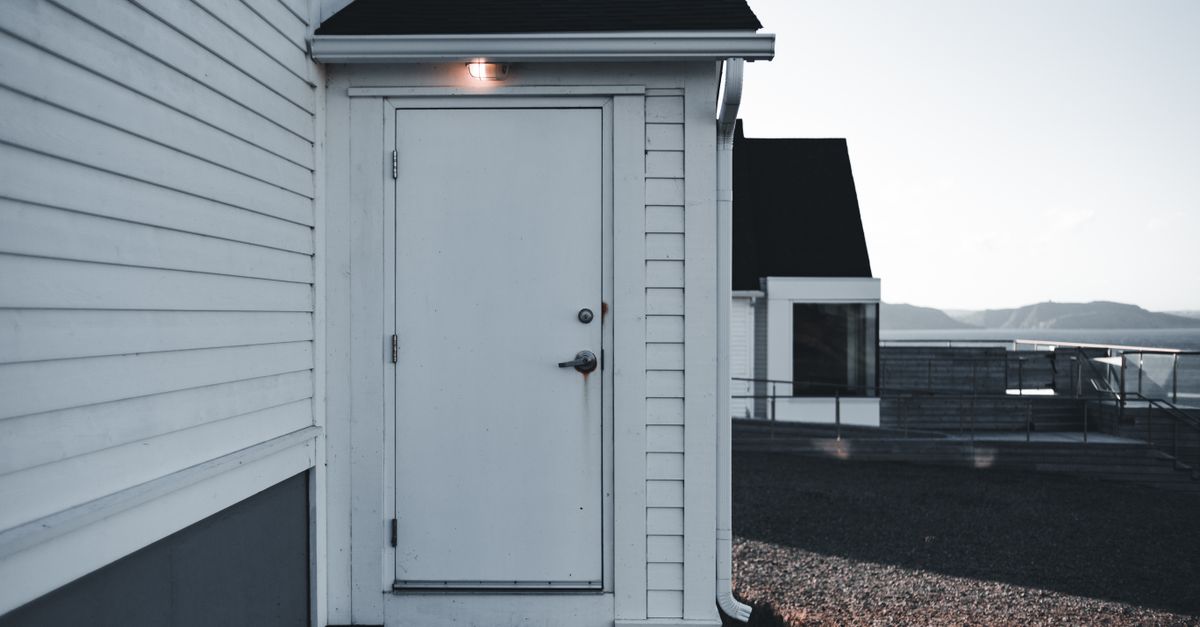
The first instinct during a house lockout is to look for another way in, and that instinct is worth following — safely. Walk the perimeter of your home and check every ground-floor window and secondary door. Look for a neighbor or trusted family member who may hold a spare key. Check your garage if it has a keypad or remote you left in your car. These steps cost nothing and occasionally solve the problem in minutes. What you should never attempt is forcing a window, using a credit card on a deadbolt, or trying to manipulate the lock yourself without training, as these approaches can damage your door frame, warp the lock cylinder, and sometimes trigger alarm systems — turning a simple lockout into a much larger repair bill.
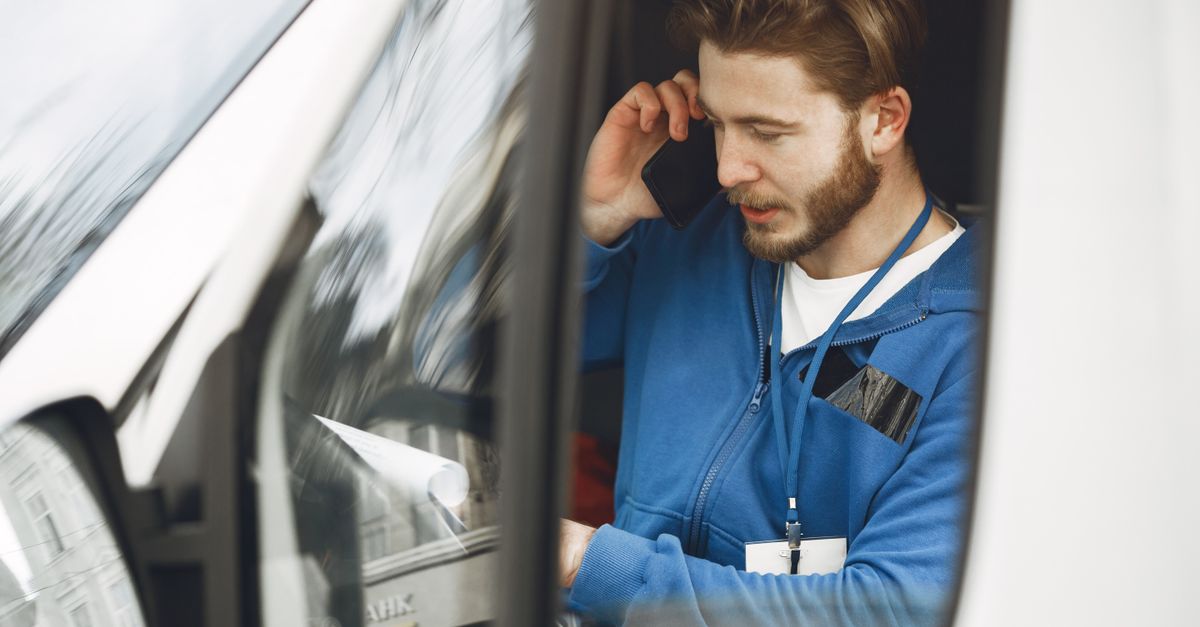
If the quick checks come up empty, that is the moment to call a professional emergency locksmith rather than escalate to methods that could cause property damage or safety concerns. Our technicians carry the proper tools to open residential locks without unnecessary force wherever the hardware allows it, protecting the integrity of your door and frame. We also verify ownership or occupancy before beginning work — a standard practice that protects you and your neighbors alike. Legitimate locksmiths always confirm you have the right to access the property, so if a provider skips that step entirely, treat it as a red flag.